Pranayama (Breathing)
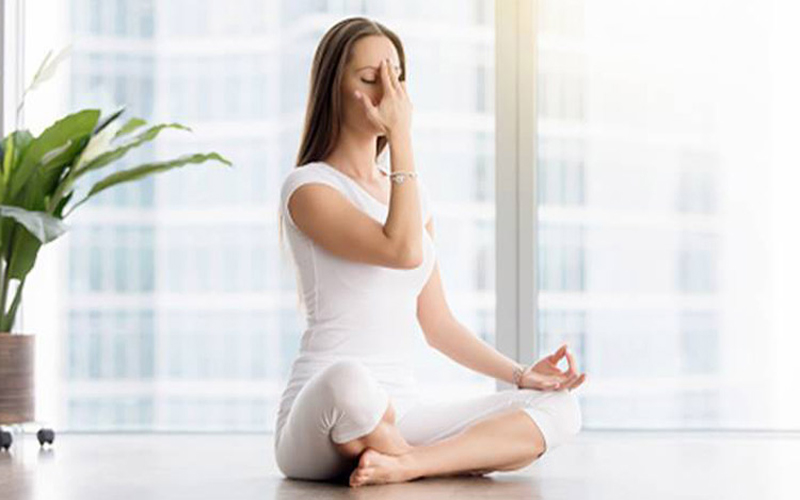
Pranayama is the conscious and deliberate control and regulation of the breath (Prana means breath, ayam means to control, to regulate). With each breath we absorb not only oxygen, but also Prana. Prana is cosmic energy, the power in the Universe that creates, preserves and changes. It is the basic element of life and consciousness. Prana is also found in food, therefore it is very important to have a healthy and wholesome vegetarian diet.
The conscious guidance of Prana in the body gives rise to an increase in vitality, physical detoxification and improved immunity, as well as the attainment of inner peace, relaxation and mental clarity.
In mythology it is said that the length of a person’s life is predetermined by the number of breaths. The Yogi tries to “conserve time” and lengthen life by slowing down the breath.
Relaxation and Yoga Nidra
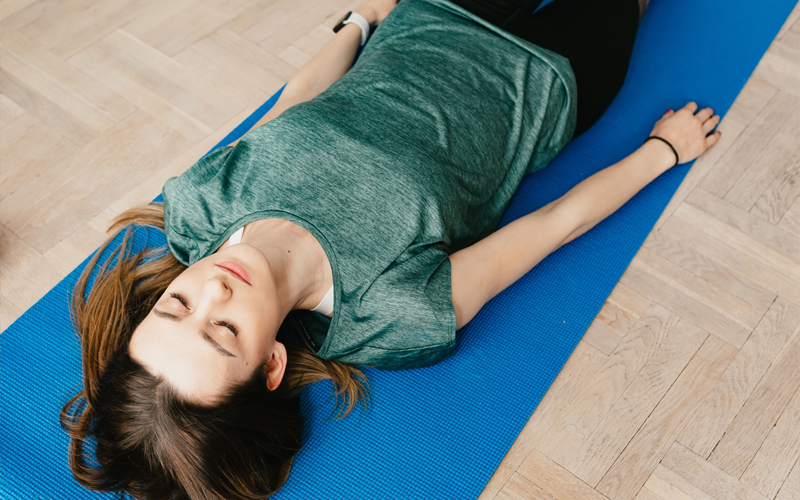
Moments of Divine Bliss. The rest and regeneration you give your physical and mental bodies allows you to archive more and progress on the Spiritual path. Relaxation doesn’t mean being lazy, in fact it’s far from it.
Taking time away from the usual distractions of life allows you to stop and listen to your inner voice.
Self-Inquiry Meditation
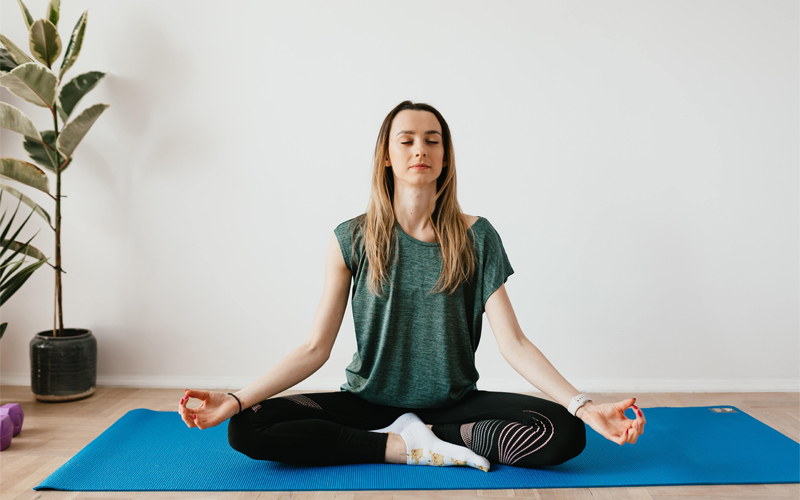
The technique of “Self-Inquiry Meditation” helps us to attain Self-Knowledge through self-control and self-development. Its goal is to experience and realise the Divine Self (Atma) within us. Such a supreme goal cannot be achieved overnight, but requires self-discipline, consistent practice and guidance from a Master.
Heal Injuries
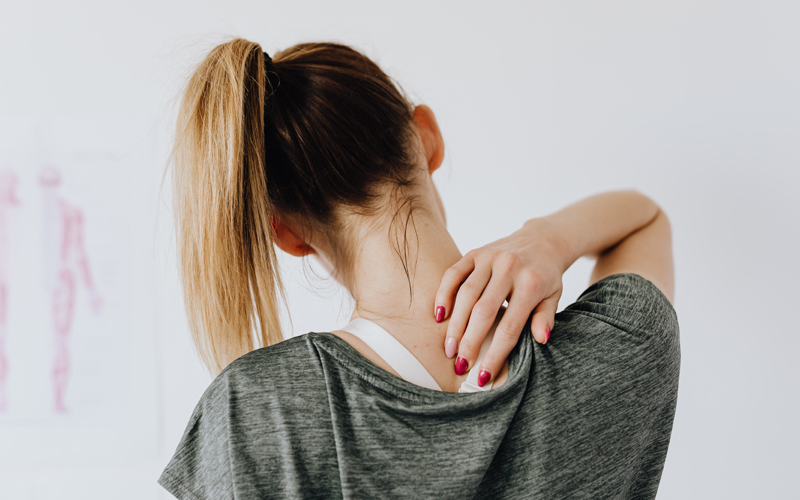
Four Suggestions for Working with Injuries
Whether you have a back injury or some other injury, there are ways to modify your yoga practice to help find your way back to health.
Move Slow and Do Less
During an injury, it’s important to move slow and do a little less until you can find patterns of movement that don’t aggravate your condition or create more pain. In time, you will find ways that you can move and work with and around your injuries.
Use Imagery
Before actually moving into a pose, imagine yourself doing it in your mind’s eye. If you can’t imagine doing it, don’t do it. Just work with the imagery practice. Imagery alone can help clear obstacles and create new pathways that can in time help with the healing process. You may need to focus more on the internal practices like breathing, relaxation, imagery and meditation until the area is healed.
Use Breath
Allow your breath to lead you. If you find you are holding your breath or your breathing becomes irregular or shallow, try doing less in the poses. See if you can breathe in, around, and through the injured area. Use the exhale breath to imagine letting go of any tensions or pain. Use the inhale to bring energy to the affected area and promote healing.
Ask Your Body
Take time during your practice to ask your body what it needs and what adjustments you should make. This kind of atonement helps to strengthen your inner healer. It may guide you in healing your injury and allow you to stay tuned in so as not to reinjure the area.